
Feeling Flat, Numb or Disconnected? Your Nervous System May Need Something Different
When you already feel heavy, absent or shut down, another relaxation exercise may take you further away. Begin with gentle activation instead.

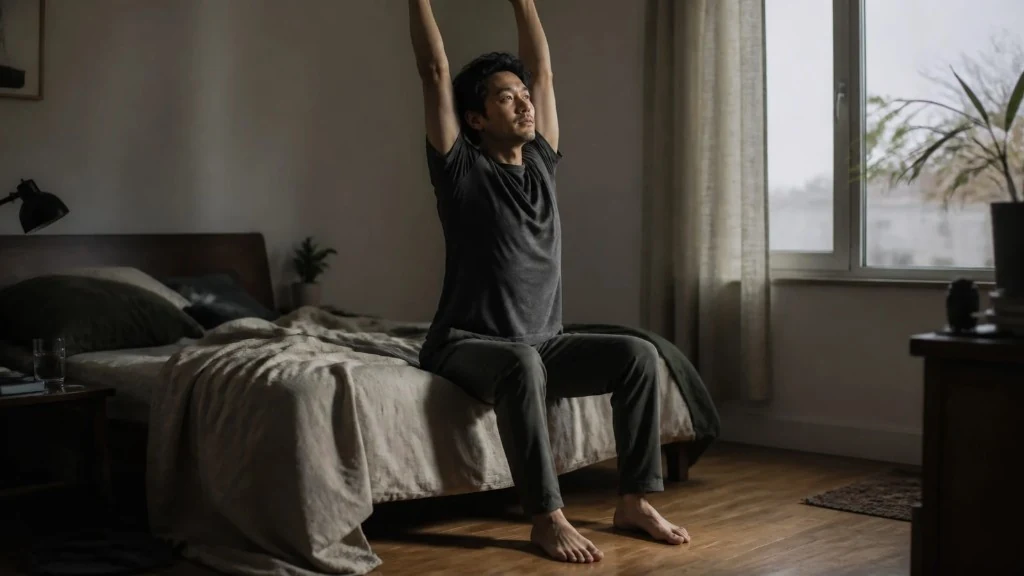
Flatness — heaviness, fog, numbness, disconnection — is a state of not enough energy or contact, and calming practices can make it worse by reinforcing stillness. Gentle activation is usually the more useful direction: change your relationship to gravity, find light and distance, add rhythm, use sound, use tolerable sensation, borrow contact, or complete one small visible action. Persistent flatness has many possible medical and psychological causes and deserves assessment.
You close your eyes, slow your breathing and try to relax.
Nothing changes. Or you feel further away.
This can be confusing when most nervous system advice assumes the problem is too much activation. But not every difficult state feels wired. Sometimes the experience is low energy, heaviness, fog, numbness or disconnection. In those moments, more stillness is not always the most helpful direction.
You may need a gentle way back in.
What "flat" can feel like
Flatness is ordinary language for a cluster of experiences, not a diagnosis. It may feel like:
- moving through the day behind glass
- knowing you care about something but being unable to feel that care
- staring at a task without finding a starting point
- feeling heavy, slowed or collapsed
- losing contact with hunger, tiredness, preference or emotion
- withdrawing from people because interaction feels too effortful
- wanting to rest, then finding that rest does not restore you
- feeling both exhausted and internally agitated
Soma Circuit uses Flat as one of three practical starting states. In polyvagal-informed language, flatness is sometimes associated with withdrawal or defensive immobilisation. That can be a useful clinical metaphor, but it should not be treated as a complete explanation. Research has not found one consistent autonomic signature for dissociation, and a subjective state cannot tell us exactly which neural or vagal pathway is active.
The experience is real even when the physiology is more complex than a diagram.
Flatness has more than one possible cause
Feeling numb, depleted or disconnected can follow prolonged stress. It can also occur with grief, depression, burnout, trauma-related dissociation, chronic pain, sleep deprivation, loneliness or sensory overload.
Physical conditions and medications can contribute too. Anaemia, thyroid problems, infection, hormonal changes, nutritional deficiencies and other health issues may affect energy and concentration. This is why persistent flatness deserves curiosity rather than a one-size-fits-all nervous system story.
If the change is new, severe, ongoing or affecting daily life, speak with a GP or qualified mental-health professional. Body-first practices may be supportive; they should not delay assessment.
Why calming practices can miss the state
When you are overwhelmed, slowing and reducing input may help. When you are already low in energy and contact, the same strategy may reinforce stillness or internal distance.
This does not mean you should force yourself into intense exercise, cold exposure or relentless positivity. The useful middle ground is gentle activation: giving the senses, muscles, voice and attention a manageable signal of aliveness.
The dose matters. Too little may not register. Too much can become overwhelming. Think invitation, not command.
Seven gentle ways to come back online
Choose one. Trying all seven can turn support into another impossible task.
1. Change your relationship to gravity
If you are lying down, prop yourself up. If you are slumped, feel both feet and let the spine lengthen slightly. If standing is available, stand for ten seconds with a hand on something stable.
Posture is not a moral achievement. You are simply changing the sensory information arriving from muscles and joints.
2. Find light and distance
Open a curtain, step onto a balcony or look towards the furthest visible point. Let your eyes move rather than stare.
External orientation can be easier than scanning inside when the body feels absent or unreal.
3. Add rhythm
Tap alternate hands on your thighs. Rock gently from foot to foot. Walk to the end of the room and back. Put on one song with a clear beat and let one part of the body respond.
Rhythm provides structure when self-directed action feels difficult.
4. Use sound
Hum on a comfortable note, read one paragraph aloud or speak the next action: "I am standing up. I am walking to the kitchen."
Do not worry about getting a particular vagal effect. The immediate purpose is simpler: sound adds vibration, breath and expression to a quiet system.
5. Use clear, tolerable sensation
Hold a warm mug. Splash cool — not painfully cold — water over your hands. Smell coffee, soap or a familiar essential oil if scents are safe for you. Feel the texture of fabric or a solid object.
Choose sensation that is noticeable without being shocking.
6. Borrow contact
Send a low-demand message: "I am feeling a bit far away. You don’t need to fix it — could you send me a voice note?"
Connection may be easier side by side than face to face. A short walk, sitting near someone or listening to a familiar voice can be enough.
7. Complete one visible action
Put one cup in the sink. Open the document. Feed the dog. Step outside and come back.
The purpose is not productivity. A small completed action can restore a sense of sequence: I began, something happened, and it ended.
A five-minute "come back in" practice
Minute 1: Orient
Keep your eyes open. Name the date, approximate time and where you are. Find one object near you and one far away.
Minute 2: Find contact
Press your feet or palms into a surface. Notice pressure, temperature and texture.
Minute 3: Add rhythm
Tap, sway or walk at an easy pace. Let the movement be small enough that you could continue.
Minute 4: Add sound or relationship
Hum, speak aloud or listen to a trusted voice.
Minute 5: Choose one life-facing action
Drink water. Open the door. Send one message. Prepare food. Write one sentence. Then stop and notice.
Ask: Do I feel 2% more present?
That is enough for one practice.
What if activation brings up more feeling?
Numbness can sometimes protect us from intensity. As contact returns, sadness, fear, anger or tiredness may also become more available.
You do not have to push through. Slow down. Return to external orientation. Feel the support under you. Contact someone safe. A trauma-informed therapist can help when coming back into sensation repeatedly becomes frightening or destabilising.
Choice is part of regulation. Stopping is a choice.
You are not failing at rest
There is an important difference between restorative rest and feeling unable to mobilise. Both can involve stillness. One replenishes; the other can feel like disappearance.
If calming practices keep taking you further away, listen to that feedback. Try light, rhythm, movement, sound, contact or one small action. Meet the state you are in, not the state nervous system culture assumes you have.
This is the same reason calm is a poor target in general, and why how much range you have varies day to day.
Frequently asked questions
Why does relaxing make me feel worse when I am numb?
Calming practices reduce input and slow things down, which helps when there is too much activation. If you are already low in energy and contact, the same strategy can reinforce stillness and internal distance — taking you further from the present rather than back into it.
What does feeling flat or shut down actually feel like?
Commonly: moving through the day behind glass, knowing you care about something but being unable to feel it, staring at a task without finding a starting point, losing contact with hunger or tiredness, or wanting to rest and finding rest does not restore you. Some people feel exhausted and internally agitated at once.
What is gentle activation?
Gentle activation means giving the senses, muscles, voice and attention a manageable signal of aliveness — changing posture, finding light, adding rhythm, humming, holding something warm, or completing one small action. It is not intense exercise or cold exposure. The dose matters: too little does not register, too much overwhelms.
Could feeling flat be depression?
It could be, and it could be several other things. Flatness can follow prolonged stress, grief, burnout, trauma-related dissociation, chronic pain, sleep deprivation or loneliness, and can also involve anaemia, thyroid problems, infection, hormonal changes or medication effects. If the change is new, severe or ongoing, see a GP or mental-health professional.
What if coming back into my body brings up more feeling?
That is common — numbness can protect against intensity, so sadness, fear or anger may become more available as contact returns. You do not have to push through. Slow down, return to external orientation, feel the support under you, and contact someone safe. Stopping is a legitimate choice.
References and further reading
- Beutler S, Mertens YL, Ladner L, et al. Trauma-related dissociation and the autonomic nervous system: a systematic review. European Journal of Psychotraumatology. 2022.
- Weinstein AA, van Aert RCM, Donovan K, et al. Affective responses to acute exercise: a meta-analysis. Psychosomatic Medicine. 2024.
- Wender CLA, Manninen M, O’Connor PJ. The effect of chronic exercise on energy and fatigue states: a systematic review and meta-analysis. Frontiers in Psychology. 2022.
- Pinna T, Edwards DJ. Interoception, vagal tone and emotional regulation: a systematic review. Frontiers in Psychology. 2020.
Soma Circuit is an educational wellness tool. It is not a substitute for professional mental health care, diagnosis or crisis support. If symptoms are persistent, worsening or interfering with daily life, please seek care from a qualified clinician.
If you are in crisis · AU Lifeline 13 11 14 · Beyond Blue 1300 22 4636 · UK Samaritans 116 123 · US 988 · NZ 1737